Featured
Table of Contents
Each part has special roles and purposes, and therapy focuses on bringing harmony amongst them. Mentalization-Based Treatment (MBT)MBT helps people stop and assume prior to reacting to their own sensations or regarded feelings of others, enhancing self-awareness and interpersonal understanding. Mindfulness-Based Stress Decrease (MBSR)MBSR uses mindfulness meditation methods to boost understanding and acceptance, lower judgment, and alleviate anxiety and emotional distress.
This is where the assimilation of EMDR and somatic therapy becomes so powerful. EMDR assists recycle stressful memories using bilateral stimulation, while somatic therapy concentrates on releasing injury kept in the body through mild understanding and activity. With each other, they create a thorough technique that resolves both the mental and physical aspects of recovery.
It's like our bodies "maintain ball game," holding onto the mirrors of those fight, trip, or freeze feedbacks that couldn't fairly complete their task. At Pittsburgh Center for Integrative Therapy, our team method deeply comprehends this link. We understand that for true and long lasting healing from trauma, we can not simply speak about it.
This section will certainly explore the core concepts behind why body-focused therapies are so extremely reliable for trauma recuperation. One really practical concept for recognizing trauma's effect is called the 'Window of Tolerance.' Dr. Daniel Siegel, a scientific psychiatrist, presented this concept. Visualize it as a comfy zone where your nerve system feels just right.
CPT Elements in [target:specialty]
is like starting at the top of your mind, in the parts in charge of assuming and reasoning (the neocortex). Conventional talk treatment often functions by doing this. It concentrates on your thoughts, beliefs, and understanding of occasions. The concept is that by altering your ideas, you can transform your sensations and activities.
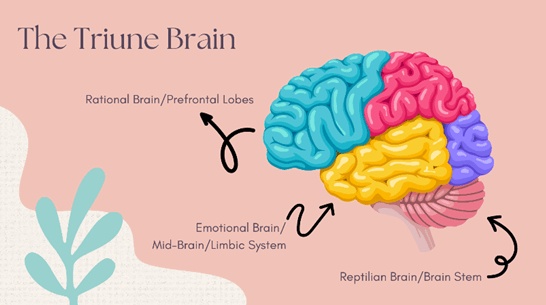
These treatments are taken into consideration 'bottom-up' due to the fact that they concentrate on body-oriented strategies. They work with the physical imprints of injury, aiding to gain access to and process difficult product that words alone might not reach. This results in a much more total and extensive healing trip. Finding a that recognizes this distinction can make all the distinction in your healing.
When [target:service] Suitable for You?
hinge on something called the Adaptive Data processing (AIP) version. This just suggests that when injury gets effectively refined, it sheds its psychological sting and ends up being integrated into your memory in a much healthier way. Instead of feeling like the distressing event is taking place right now, it comes to be something that clearly took place in the past.

What's particularly calming concerning EMDR is that over and over once again. Instead, EMDR helps lessen the overwhelming power these memories hold over you, so you can eventually believe concerning or discuss them without feeling swamped with distress.
They usually report that after EMDR therapy, things that when activated extreme responses just don't trouble them similarly anymore. There's usually a renewed sense of self-confidence and safety worldwide that they hadn't felt in years. for dealing with PTSD, anxiety, depression, and various other trauma-related problems. Research shows EMDR works for PTSD, with research studies demonstrating substantial decreases in injury signs and symptoms following treatment.
The Interrupted Cycle of Traditional Therapy
For clients seeking comprehensive trauma therapy, dealing with an can be especially effective. This integrated technique addresses both the mental and physical facets of injury, developing a more total path to healing. EMDR complies with an organized eight-phase protocol that ensures your security and progression throughout the recovery process. If you're interested concerning what each phase entails, you can explore this thoroughly right here: The Eight Stages Of EMDR Therapy: Comprehending Each Action In Your Course To Recovery.

To learn more concerning exactly how EMDR could support your recovery, visit our page on EMDR Therapy Pittsburgh. Our bodies are really incredible, frequently interacting with us. is a warm, body-centered approach to recovery that deeply comprehends this link between our body and mind. The word 'Soma' comes from old Greek, meaning 'the living body recognized from within,' highlighting a sense of integrity.
Why [target:specialty] Integration Works Better
This allows your nerves to procedure and release energy progressively, without feeling overwhelmed. Another vital tool is. This entails gently relocating your focus backward and forward in between uneasy sensations and locations of tranquil or convenience in your body. This method assists develop your capacity to manage difficult feelings and educates your nerves just how to control itself.
This releases the "icy trauma energy" and brings back a feeling of safety and equilibrium within you. The Polyvagal Concept, created by Dr. Stephen Porges, supplies a clinical appearance at how somatic treatment aids stabilize your nervous system. By delicately collaborating with your body's natural wisdom, somatic treatment helps you process feelings that have been trapped, complete anxiety reactions that obtained stuck, and bring back a sensation of security and connection with on your own and the world around you.
From Intellectual Understanding to Body-Based Healing Through [target:specialty]
Healing, after that, have to entail both. This suggests they work with the raw, physical feelings and emotional reactions stored in the body first, instead than simply talking concerning ideas.
A central objective for both therapies is. They give gentle tools and support to aid your body vacate the "excessive" (fight/flight) or "also little" (freeze) states. The goal is to help you expand your 'Window of Tolerance,' so you can really feel more based and present in your life.

Latest Posts
Integration After [target:service]
Finding the Right Integrated Care Provider: Why Whole-Person Therapy Matters
Self-Cohesion and Depth Psychology for Identity Work